
The Economic Ripples of the U.S. - Intervention in Venezuela
- Justin Chang
- 55 minutes ago
- 2 min read

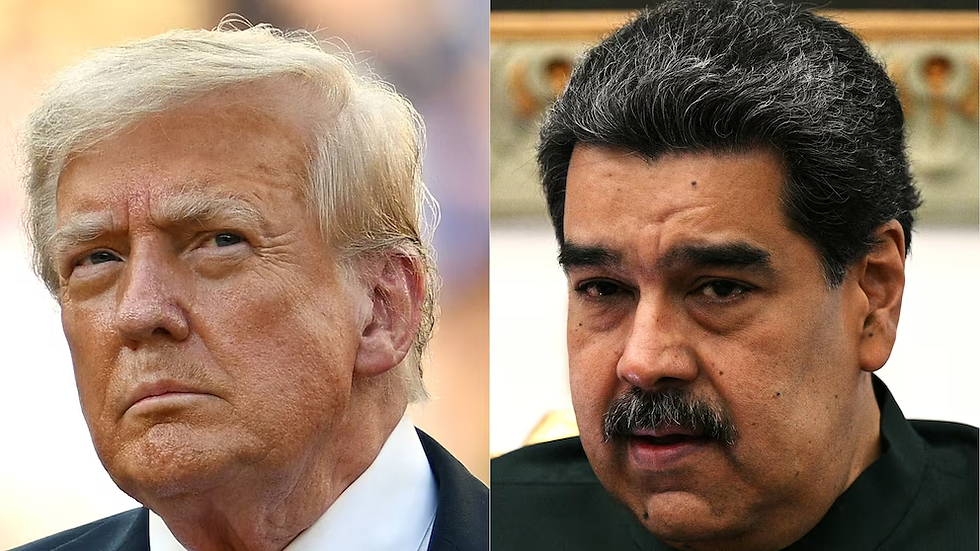
In early January 2026, the United States launched a military operation in Venezuela, capturing President Nicolás Maduro and pledging to oversee the country's transition. Framed as a move against drug trafficking and to secure oil resources, this intervention has sparked intense debate. But what does it mean for economies at home and abroad?
Domestic Effects in the United States and Venezuela
For the U.S., the action could bring notable economic benefits, particularly in energy. Venezuela boasts the world's largest oil reserves, and President Trump has announced plans for American companies like ExxonMobil and Chevron to invest billions in rebuilding its crumbling infrastructure. This might lead to increased oil production, potentially lowering global prices to around $50 per barrel, which would ease costs for American drivers and industries. Lower energy prices could stimulate economic growth, reduce inflation, and enhance energy security by decreasing reliance on other foreign suppliers. Additionally, by targeting drug cartels linked to Maduro, the U.S. aims to curb the flow of narcotics and gangs like Tren de Aragua, which could save billions in domestic crime and health costs over time.
In Venezuela itself, the effects are more mixed and uncertain. The country has suffered from years of economic collapse, with hyperinflation, widespread poverty, and a devastated oil sector producing far below capacity. U.S. oversight promises to distribute some oil revenues back to Venezuelans, potentially funding reconstruction and alleviating hardship. However, experts warn that tripling production could take years due to severe disrepair and corruption. If the intervention sidelines opposition leaders and prioritizes stability over democracy, it risks prolonging instability, deterring foreign investment, and leaving Venezuela's massive $150-170 billion debt unresolved.
International Effects on Global Markets
On the world stage, the intervention could change energy dynamics and heighten geopolitical tensions. Oil markets have seen modest volatility so far, but increased Venezuelan output under U.S. control might cause drastic increases in supplies, driving down prices and benefiting oil-importing nations like those in Europe and Asia. This could hurt producers like Russia and Saudi Arabia, while boosting economies reliant on cheap energy.
However, the move disrupts ties with major players. China, a key lender and buyer of discounted Venezuelan oil, faces losses on its investments and reduced access to resources, potentially straining U.S.-China relations further. Russia, too, loses influence in the region. Emerging markets might see renewed investor caution due to heightened political risks, though overall global spillovers appear limited, with many analysts staying optimistic on U.S. equities. Critics argue this echoes historical interventions, raising questions about sovereignty and potentially encouraging similar actions elsewhere.
In conclusion, while the U.S. intervention in Venezuela offers prospects for economic revival through oil and stability, it carries risks of prolonged challenges such as political tension. As events unfold, the true costs and benefits will become clearer and possibly reveal the true intent of Trump's takeover plan.


Comments